Calpe
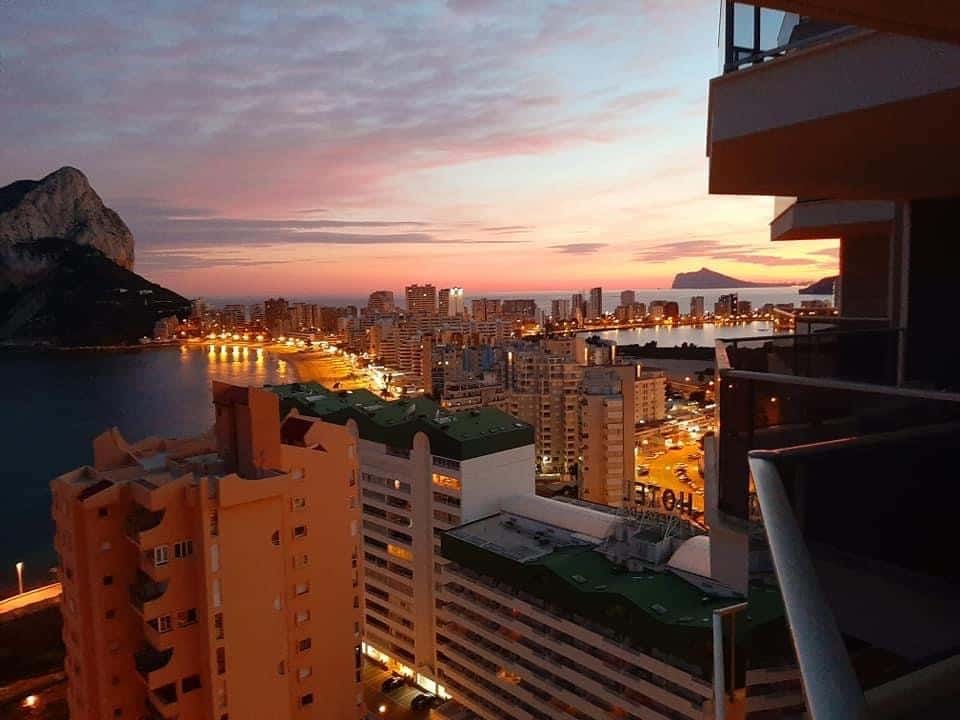
Calpe/Calp is situated in the
region of Alicante on the Costa Blanca. The town is immersed in
history and offers up a wealth of culture - even so this old
fishing port has comfortably joined its centuries old past with
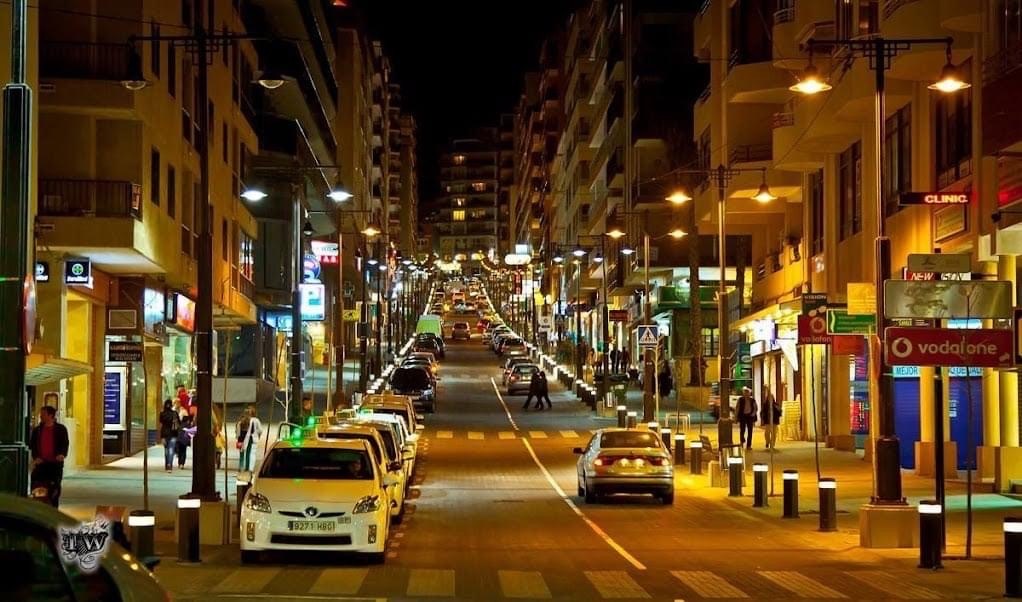
the necessitates of modern tourism. Calpe is a variety of
multistorey beachside buildings geared to the demands of the
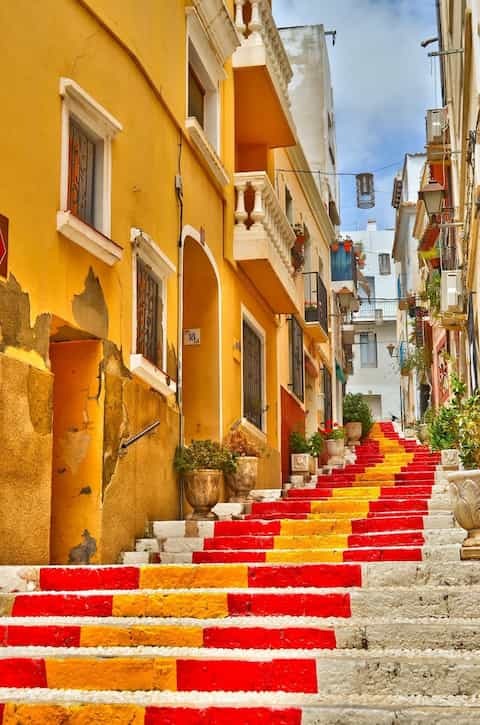
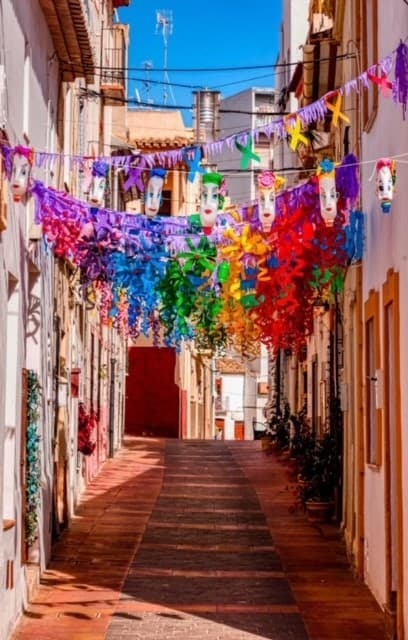
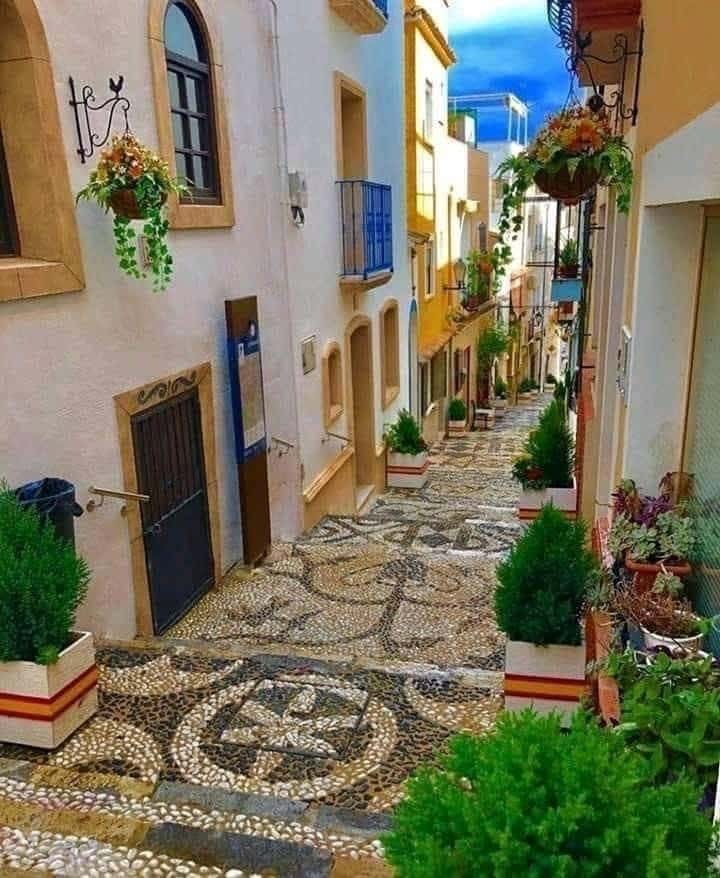
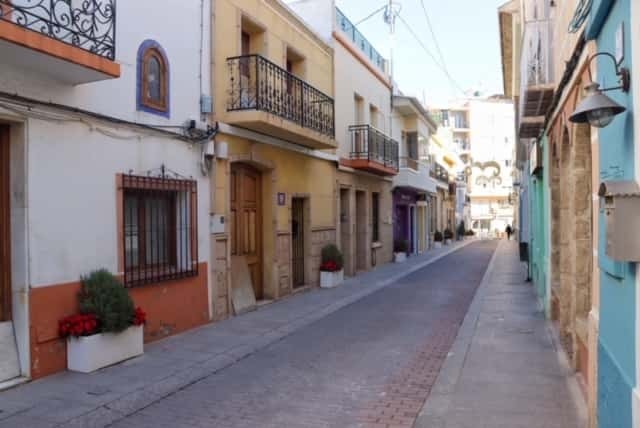
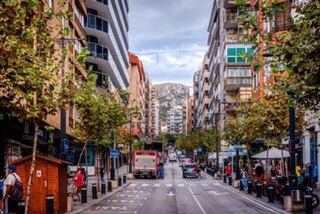
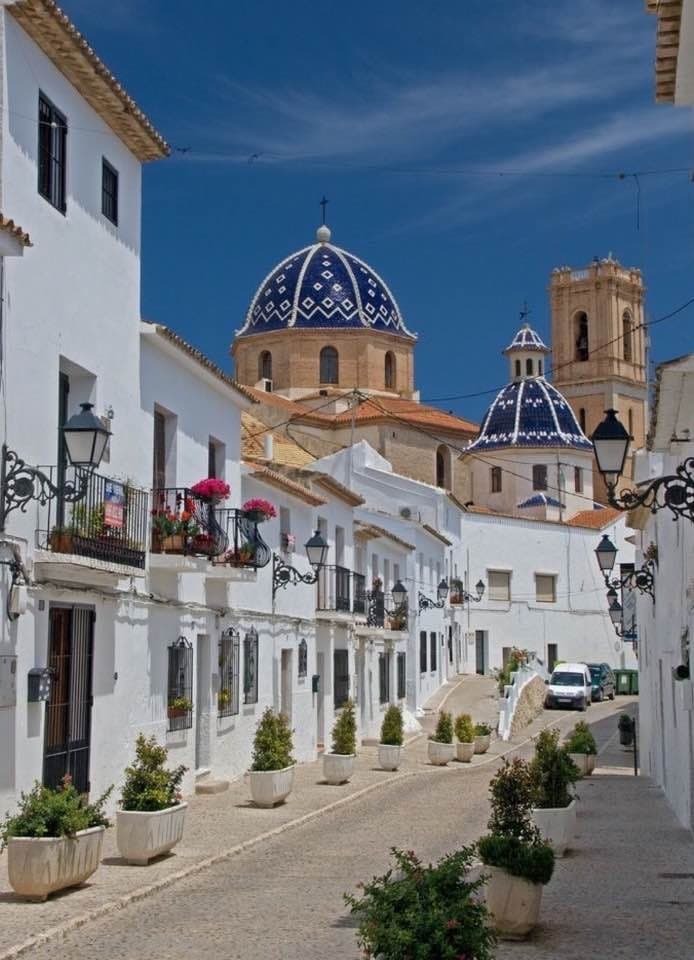
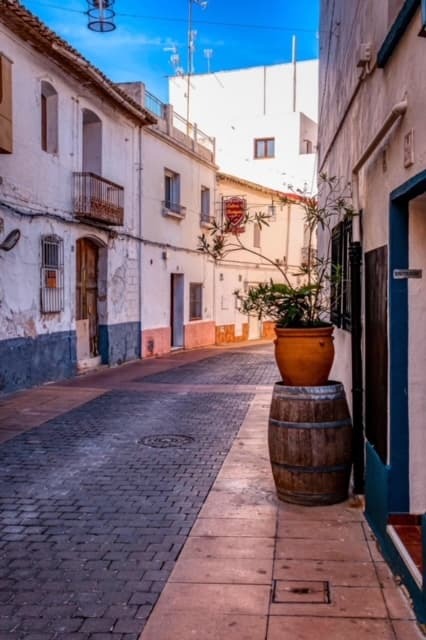
twenty-first century holidaymaker and enchanting, narrow
medieval streets bearing the hallmarks of a foregone age.
With its perfect location, near faultless climate and numerous
attractions, Calpe has proved a magnet for foreign
holidaymakers and homeowners alike. 1000s of British , German,
French and Spanish visitors have come here for a short visit
and never returned!
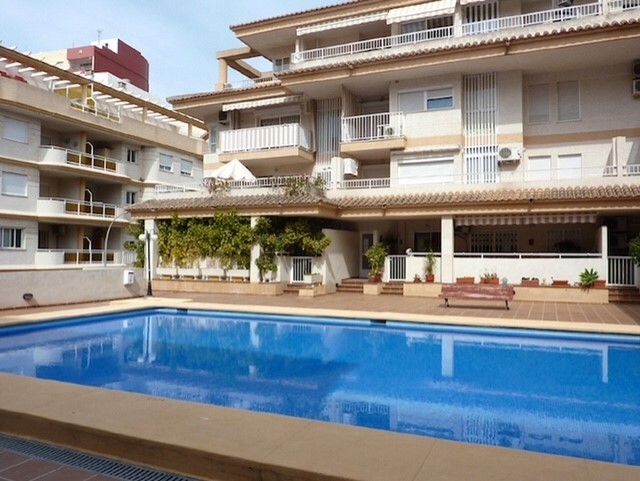
For holidaymakers, Calpe provides a broad range of
accommodation - large, contemporary hotels, small "hostals",
self catering apartments and villas with swimming pools.
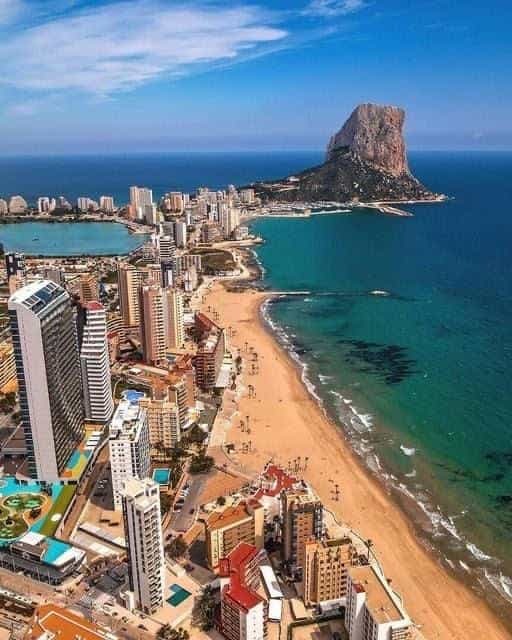
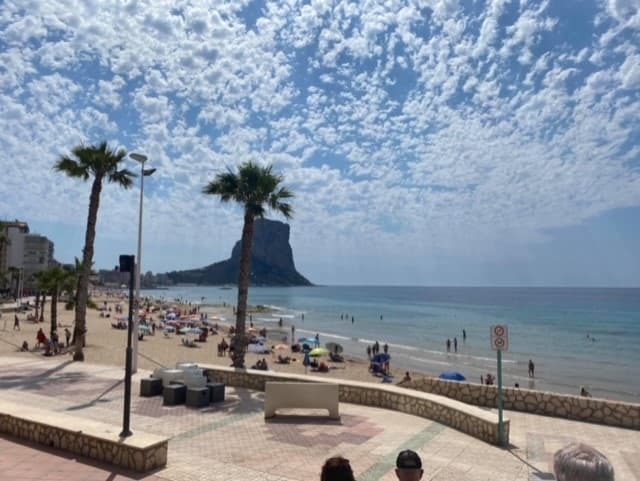
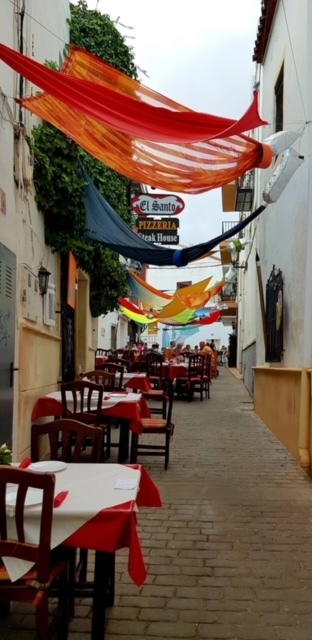
There are superior sandy Beaches, first-class local shopping
facilities and a wealth of bars and restaurants providing all
types of local and international cuisine. People travel from
all over the Costa Blanca to dine here - whether you desire
Spanish, Italian, Chinese, German or English food, you
will find it all in Calpe.
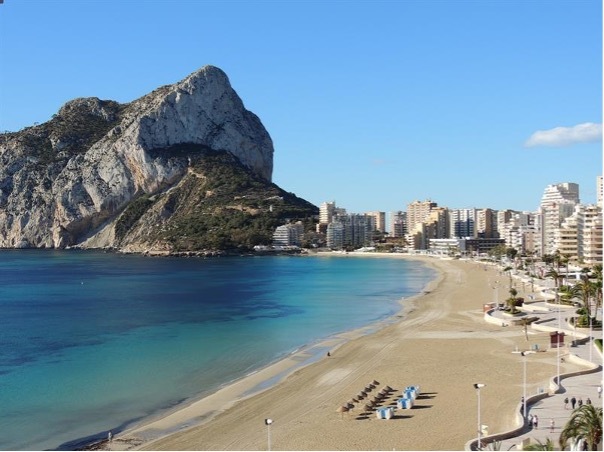
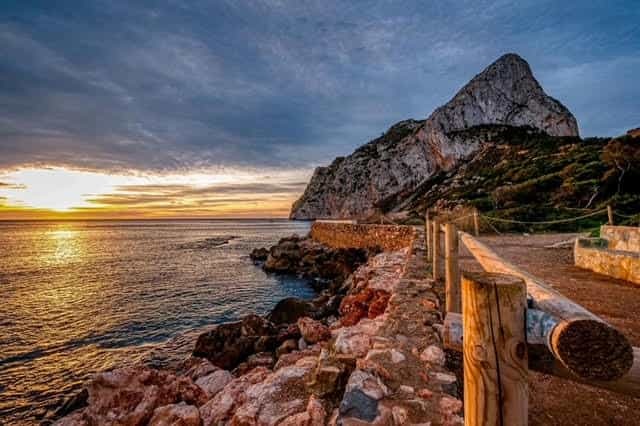
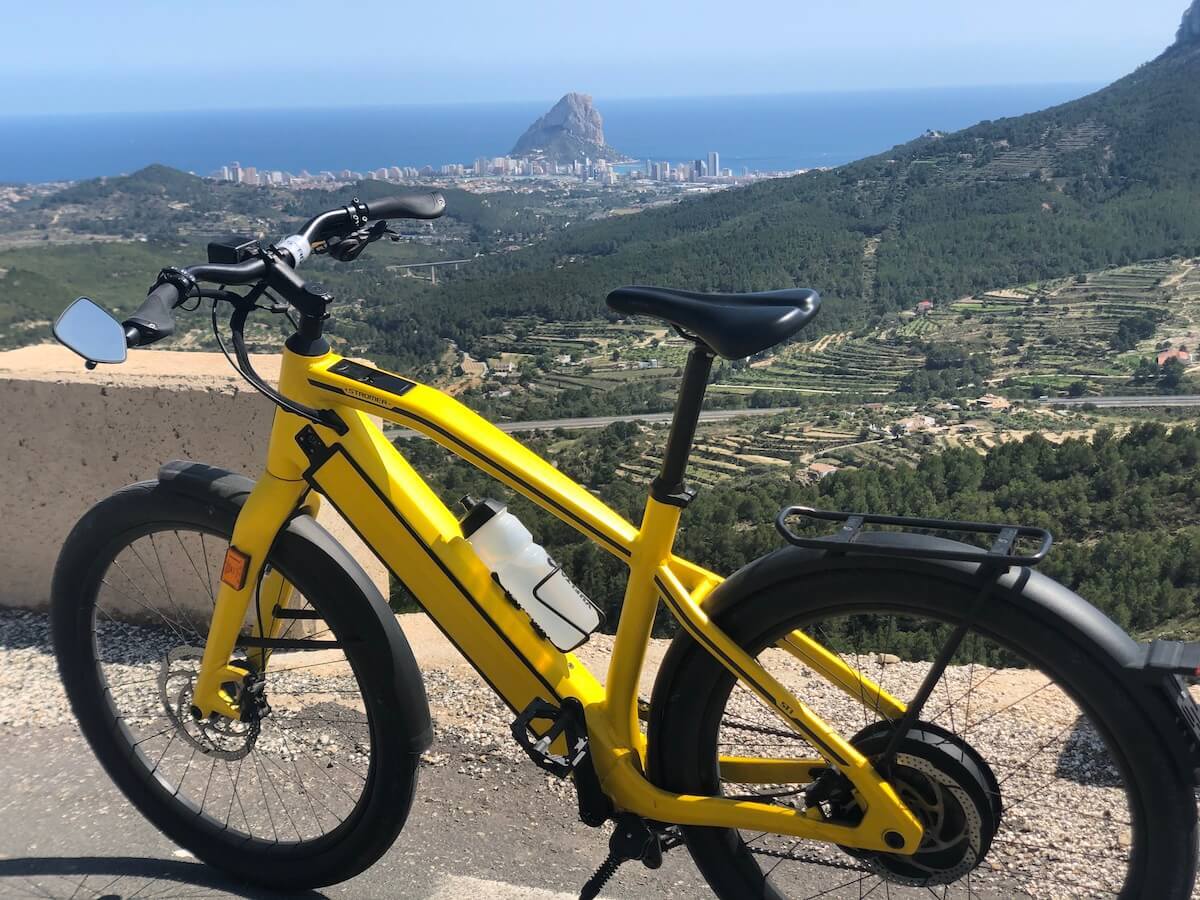
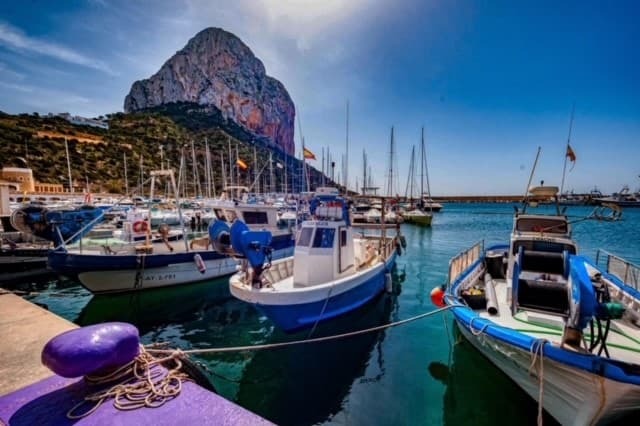
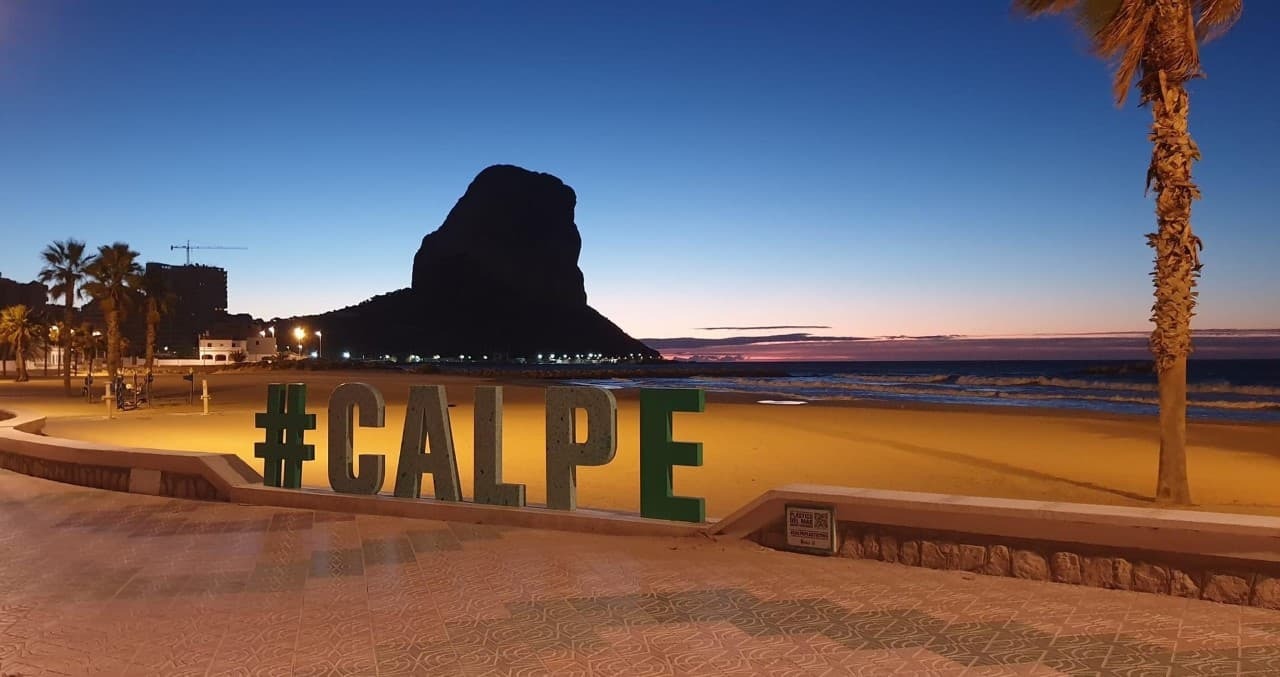
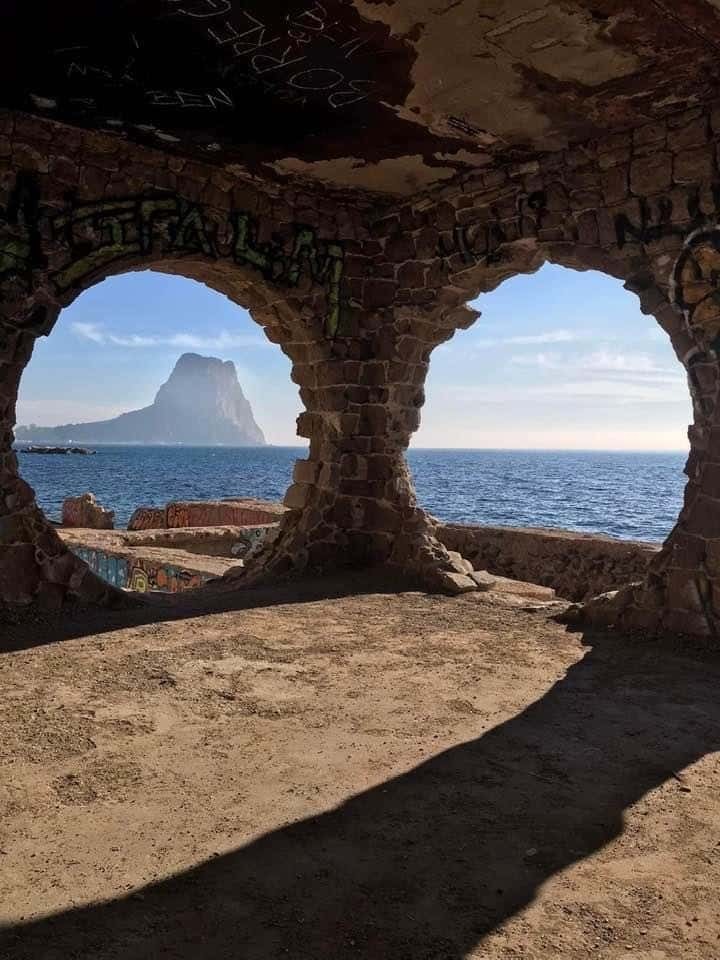
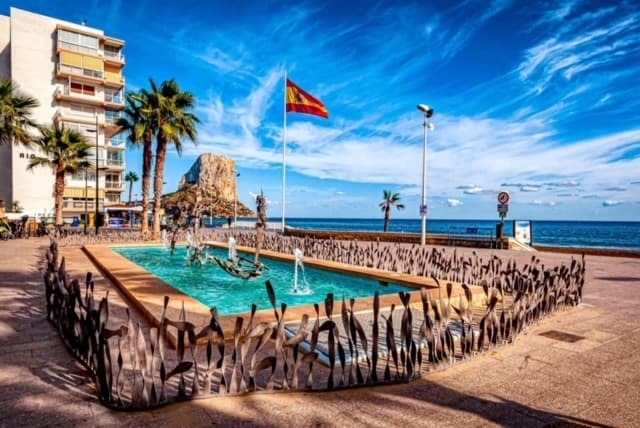
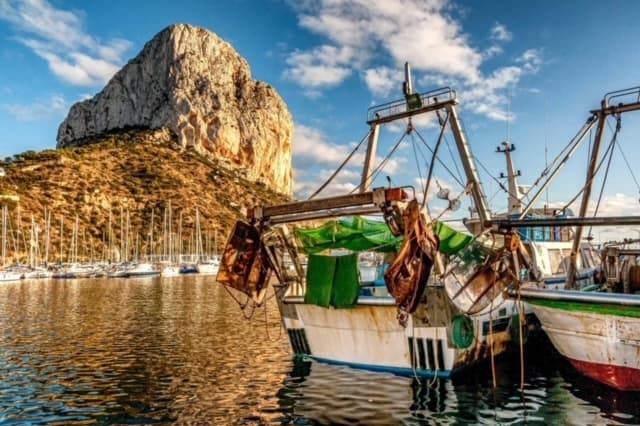
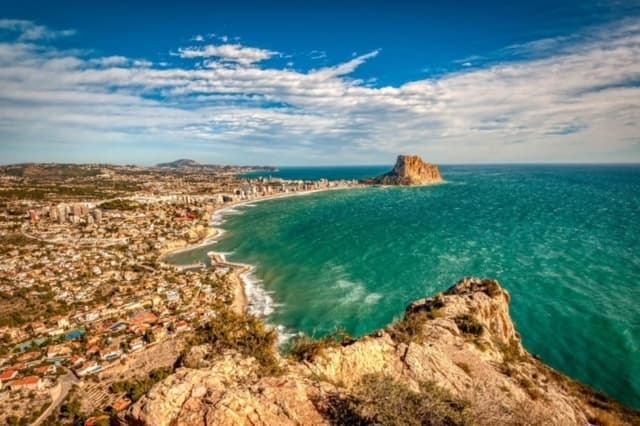
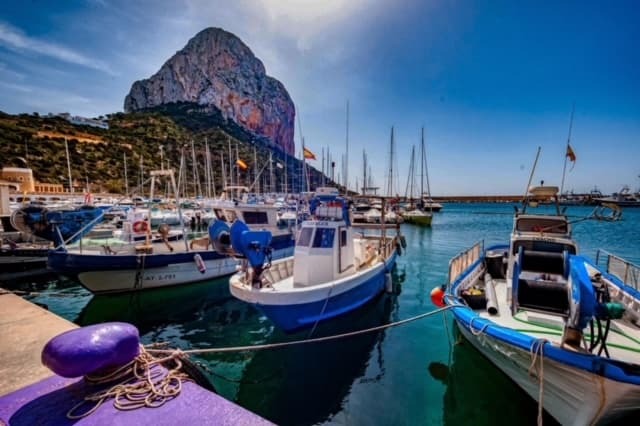
The town's most notable and distinctive feature is its mighty
Peñon de Ifach - the huge rock which ascends 332 metres out of
the Mediterranean Sea, reminiscent of the rock of Gibraltar.
The Peñon was proclaimed a nature reserve in the late 80s and
now offers a safe haven for an assortment of birds and exotic
plant life.
For the active, a hike up to the top of the Peñon de Ifach is
an unforgettable experience - but definitely not one to be
undertakenby the elderly, disabled or those inclined to
vertigo!
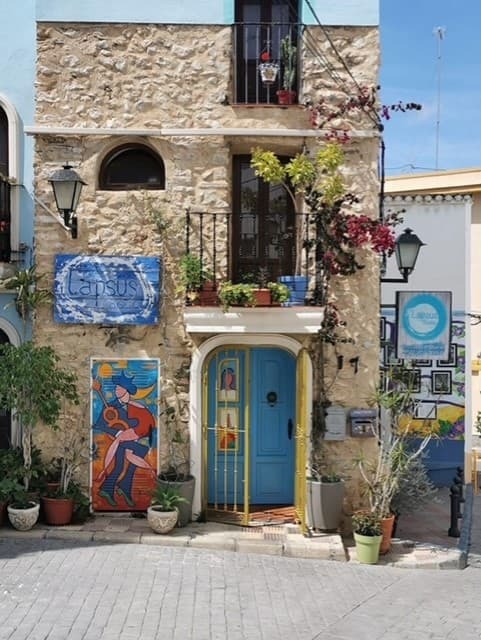
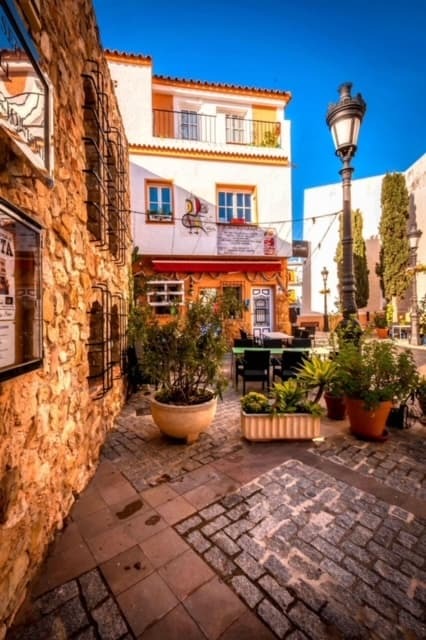
Take a trip to the old town and you will discover abundant
evidence of Calpe's colourful history in murals, monuments and
museums which maintain the town's links with its
past. Remains of Iberian tribes, dating from several 100s
of years B.C., have been discovered close to the Peñon de
Ifach.
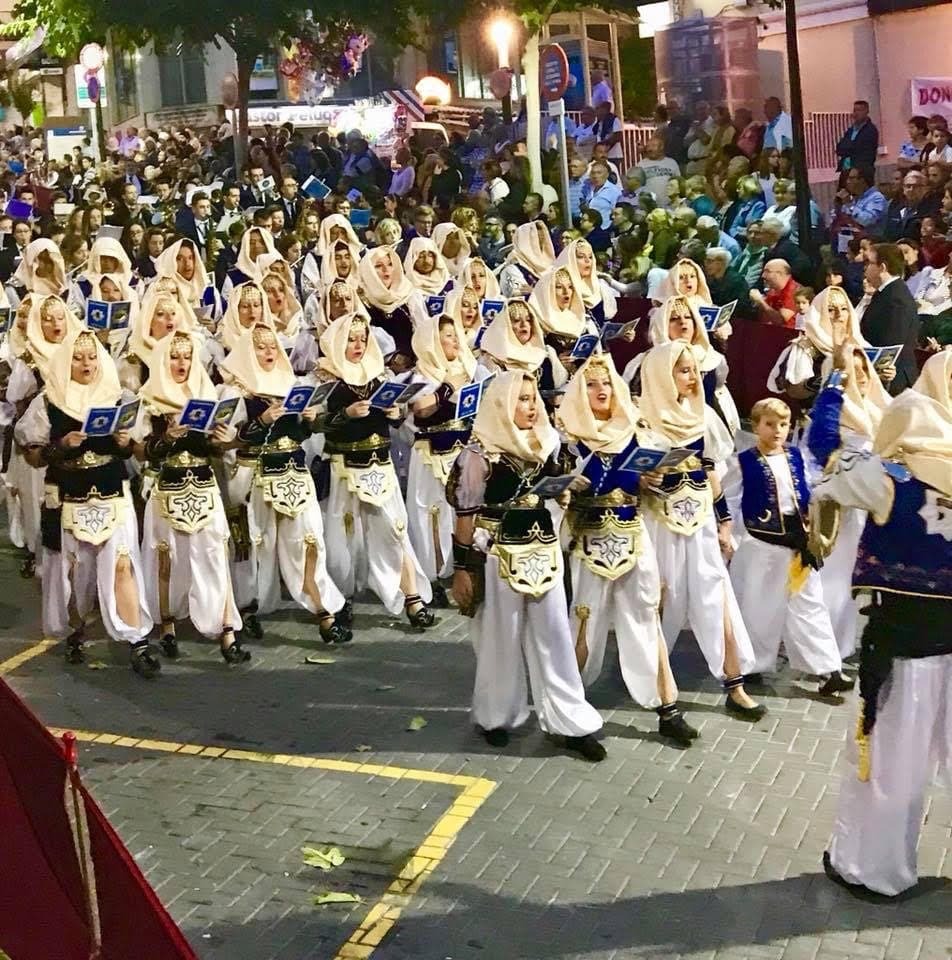
There are reminders of the times when Moors and Christians
co-existed comparatively peacefully in this town for 100s of
years and evidence of the steps taken to protect Calpe from
the of the Corsairs who blighted this stretch of the
coast between the 14th and 17th centuries
Calpe
History
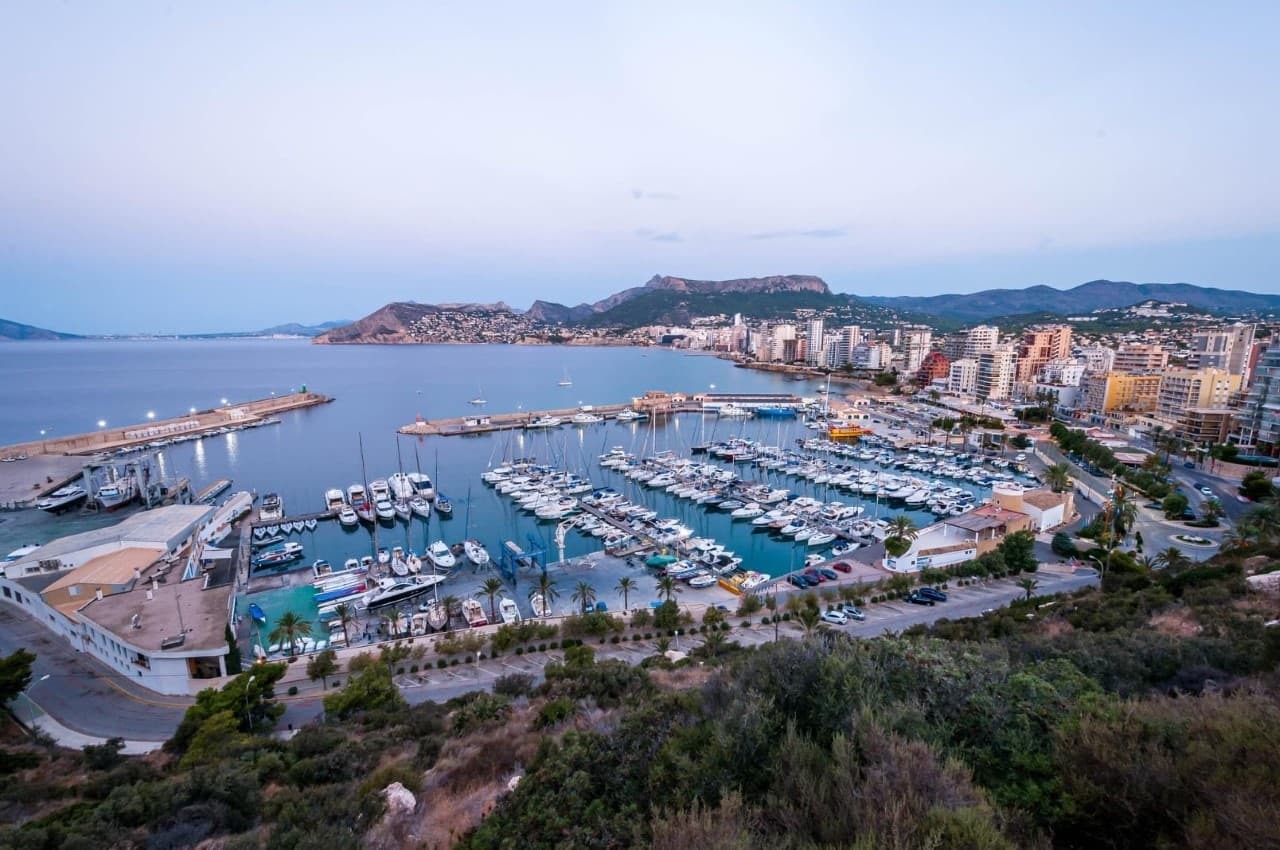
Located some 67
kilometres north of the city of Alicante is the lovely coastal
town of Calpe (Calp), dominated by one of the best known
landmarks of the Costa Blanca region - the Peñon de Ifach,
Calpe is a very busy seaside resort, with a resident population
of approximately 26,000 (this of course rises considerably in
the summer months), it is in the Community of
Valencia.
With some
excellent beaches, fine shopping and a great selection of
bars and restaurants, Calpe
is a superb
location for a holiday, but is also a worthwhile spot for
the day tripper, who will find some interesting places to
visit, apart from the Peñon de Ifach, which is worth seeing
on its own merit.
Calpe
has a rich
and interesting history and has been settled over the
centuries by Iberians, Phoenicians, Romans and Arabs. The
Romans constructed a fish salting factory in
Calpe
at Los Baños
de Reina (the Queen’s Baths), close to the present day
promenade, and the Moors built the Castle
of
Calpe
, from where
they controlled the area until defeated in around 1240 by
the forces of the Christian king Jaime I.
A tiny town
called ‘Ifach’ was built on the slopes of the Peñon in about
1290 by Roger de Lauria (an Aragon
Admiral),
and later the walls were fortified by Pedro II, to protect
the town from attacks by morisco pirates. The town of
Ifach
was finally
destroyed during the War of the Two Pedros (1359), and the
town’s people fled to a farmhouse, overlooking the
Bay
of
Calpe
, it was
around this farmhouse that modern day Calpe
developed.
This emerging town also built a defensive wall to ward off
attacks, though it still suffered frequent
incursions.
In
1659 Calpe
suffered
badly when the town was sacked, and almost 300 of its
citizens were taken to Algiers
, where they
were held for 5 years, until returned in exchange for gold
and the release of some pirate prisoners.
From about
this time onward, Calpe
began to
grow considerably and buildings began to appear outside of
the town walls as the threat of pirate attacks diminished.
The main industry at this time was fishing, but almost as
important was the production of salt, Calpe
having its
own area of salt flats.
During the
1930’s the vestiges of a tourism industry began to emerge
in Calpe
and some
seafront hotels appeared to cater for the new
middle-classes. This industry grew throughout the 1940’s and
1950’s and rocketed in the 1960’s, when cheaper and more
efficient transport, brought visitors to the town from all
over the world.
Calpe
has
continued to grow, along with the rest of the Costa Blanca,
and today has something of the appearance of a ‘mini
Benidorm’, with a number of high-rise apartment blocks and
hotels, particularly at the northern end of the town. Apart
from the Peñon de Ifach, most of the interesting places to
visit are located in the old town and these include the
Torreó de la Peca (dating from the 14th and 15th Centuries),
the Iglesia Antigua (‘Old Church’, originally from the 15th
Century), Placa dels Mariners (Mariners Square), and the
Ermita de San Salvador (Hermitage of Saint Salvador -
originally from the 18th Century but later re-built). There
are many other interesting places to visit in and
around Calpe
, both old
and new, and these are all described in a useful leaflet
that can be obtained from the local Tourist Information
Office. Calpe
enjoys a
fabulous climate and all year round Calpe
weather is
generally warm and sunny.
|